
Why Should Children Learn Martial Arts?
Updated: Aug 13
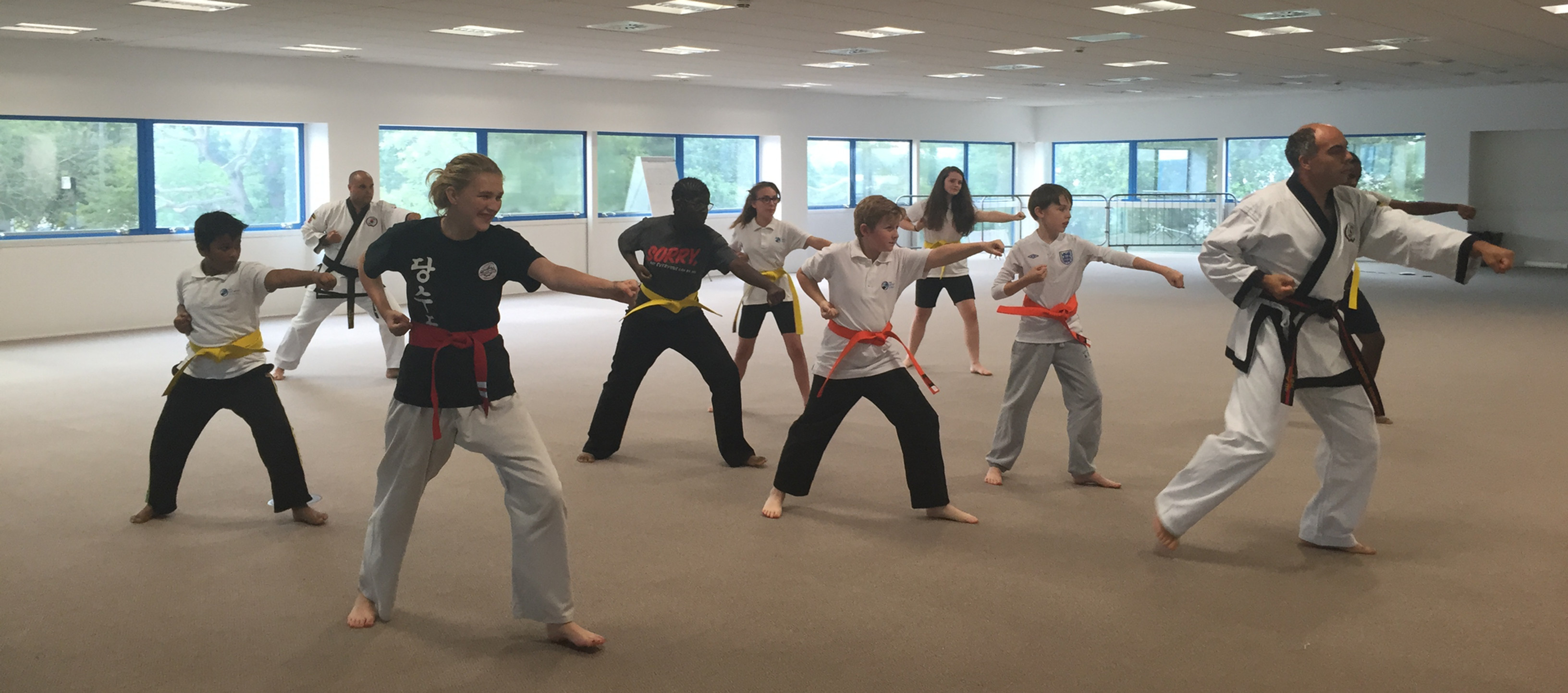
When parents consider activities for their children, martial arts may not be the first option that comes to mind.
Some imagine fighting, competition or learning how to defend oneself. Although physical techniques are part of martial arts, good training offers children much more.
Martial arts can provide structured physical activity while helping children practise respect, concentration, coordination, self-control and perseverance.
It is not about turning children into fighters. It is about giving them a supportive environment in which they can move, learn, face manageable challenges and recognise their own progress.
Why This Happens
Modern childhood can be busy, stimulating and sometimes overwhelming.
Children may experience:
Increased screen time
Reduced physical activity
Academic pressure
Social anxiety
Bullying or friendship difficulties
Low confidence
Difficulty concentrating
Limited opportunities to develop independence
Fear of making mistakes
Difficulty managing strong emotions
Children need regular opportunities to move their bodies, interact with others and experience achievement through effort.
Martial arts brings these areas together within a structured activity.
Children Need Meaningful Movement
Physical activity is important for children’s health and development, but not every child enjoys traditional team sports.
Some children dislike highly competitive environments. Others may feel uncomfortable when their performance is constantly compared with teammates.
Martial arts allows children to develop from their own starting point. Progress is usually measured through personal improvement, technical development and consistent effort.
Children Need Safe Challenges
Confidence and resilience develop when children experience challenges they can gradually overcome.
If an activity is too easy, it may not provide a sense of achievement. If it feels overwhelming, the child may become discouraged.
Good martial arts instruction introduces challenges progressively. Children practise skills in manageable steps before moving to more advanced techniques.
Children Benefit From Structure
Regular routines and clear expectations can help children feel secure.
A martial arts class normally includes:
A formal beginning and ending
Clear instructions
Established safety rules
Repeated routines
Progressive skill development
Respectful communication
Opportunities to practise independently and with others
This structure helps children understand what is expected while giving them room to grow.
What Science Says
Research into martial arts and child development is still evolving. Outcomes can vary according to the quality of instruction, the type of martial art, the training environment and the individual child.
However, research suggests that structured martial arts participation may support aspects of physical fitness, coordination, executive function, self-esteem, emotional regulation and social development.
Martial arts should not be presented as a guaranteed solution to behavioural, emotional or developmental difficulties. Its value comes from combining physical activity with structured learning, personal goals and social interaction.
Physical Development
Martial arts training can involve:
Balance
Flexibility
Coordination
Strength
Cardiovascular activity
Reaction speed
Spatial awareness
Controlled movement
Children learn how to position and move their bodies with increasing accuracy.
Training may be particularly engaging for children who prefer varied movement to repetitive exercise.
Focus and Memory
Children must watch demonstrations, listen to instructions and remember sequences of movements.
Forms, combinations and partner drills require them to:
Concentrate
Recall information
Follow a sequence
Coordinate both sides of the body
Recognise direction changes
Return their attention after becoming distracted
These are skills that can also support learning in other areas of life.
Confidence and Self-Efficacy
Martial arts gives children visible evidence of improvement.
Learning a new technique, remembering a form or progressing through a grading can help a child recognise that effort leads to development.
This helps build self-efficacy: the belief that they can attempt a challenge, practise and improve.
Confidence developed through effort is often more meaningful than confidence based only on praise.
Emotional Regulation
Martial arts requires children to control both their actions and reactions.
They learn when to move, when to stop and how to perform a technique without using unnecessary force.
They may also practise:
Remaining calm when something feels difficult
Managing frustration
Accepting correction
Waiting for their turn
Recovering after a mistake
Responding appropriately during partner work
These experiences can help children become more aware of their emotions and behaviour.
Respect and Responsibility
Martial arts traditions place strong emphasis on respect.
Children are expected to:
Listen when others are speaking
Treat training partners appropriately
Follow safety instructions
Care for equipment
Use their skills responsibly
Recognise the experience of instructors and senior students
Respect should work in both directions. Children should also be treated with patience, dignity and appropriate care.
Social Development
Martial arts classes bring together children with different ages, abilities and personalities.
Students may work with partners, practise in groups and encourage one another during training.
This can help children develop:
Communication
Cooperation
Empathy
Patience
Friendship
A sense of belonging
Children can participate as individuals while still being part of a wider group.
Resilience and Perseverance
Progress in martial arts takes time.
Children will sometimes forget a movement, find a technique difficult or need more than one attempt to meet a goal.
With appropriate support, they learn that mistakes are part of development.
The lesson is not that everything will be easy. It is that difficulty can often be managed through patience, guidance and continued practice.
Martial Arts and Aggression
A common concern is that martial arts might encourage children to fight.
Responsible martial arts instruction should teach the opposite.
Children learn that physical skills must be accompanied by:
Self-control
Courtesy
Conflict avoidance
Awareness
Appropriate decision-making
Respect for other people
Martial arts should never be used to encourage intimidation or aggression.
Practical Support Steps
Choosing the right environment is essential if a child is to benefit from martial arts.
1. Visit the School
Observe how instructors speak to children and manage the class.
A positive school should feel organised, welcoming and safe.
2. Look for Age-Appropriate Teaching
Children’s classes should reflect their age, concentration level, physical development and experience.
Children should not simply be given a reduced version of an adult class.
3. Ask About Safety
Find out how the school approaches:
Warm-ups
Partner matching
Contact levels
Sparring
Protective equipment
Instructor supervision
Injuries and first aid
Safeguarding
A responsible school should be able to explain its procedures clearly.
4. Focus on the Individual Child
Children begin martial arts for different reasons.
One child may want to become more active. Another may need confidence, structure, friendships or a new challenge.
Consider what your child needs rather than comparing them with other students.
5. Avoid Excessive Pressure
Encourage participation without making every lesson or grading feel like a test.
Children are more likely to develop a lasting relationship with physical activity when they feel supported rather than pressured.
6. Praise Effort and Progress
Recognise behaviours such as:
Attending consistently
Listening carefully
Practising at home
Helping another student
Trying again after a mistake
Showing control
Behaving respectfully
Belts and awards are valuable milestones, but they are not the only signs of progress.
7. Allow Time to Settle
Some children participate immediately, while others prefer to observe before becoming fully involved.
A child who is shy or uncertain may need several sessions to become comfortable with the environment and routine.
8. Communicate With the Instructor
Tell the instructor about relevant needs, concerns or circumstances that may affect the child’s participation.
Open communication helps instructors provide appropriate support while maintaining suitable expectations.
9. Support Consistency
Regular attendance helps children become familiar with the routines, build relationships and experience gradual improvement.
Consistency is generally more valuable than expecting rapid results.
10. Listen to Your Child
Ask whether they feel:
Safe
Included
Respected
Appropriately challenged
Comfortable speaking to the instructor
Positive about returning
A good martial arts environment should support the child’s development rather than create fear or distress.
How Horangi Supports This
At Horangi Tang Soo Do Association, children’s martial arts is about much more than punches, kicks, forms and belts.
Our classes aim to help students develop:
Physical fitness
Balance and coordination
Confidence
Focus
Respect
Self-discipline
Resilience
Friendships
Positive habits
Training is structured and progressive, allowing students to build skills at an appropriate pace.
Children are encouraged to recognise their own improvement, support their training partners and understand that meaningful progress takes time.
Our instructors aim to provide clear guidance, appropriate boundaries and positive encouragement. Students learn that martial arts ability must always be accompanied by responsibility and self-control.
Every child is different, and no single activity will suit everyone. However, Tang Soo Do can offer children a valuable combination of movement, learning, structure, challenge and community.
If you would like to discover whether Tang Soo Do could be right for your child, explore our children’s classes or contact Horangi Tang Soo Do Association to arrange their first session.
This article provides general educational information and does not replace individual medical, psychological or educational assessment.

Comments